
Rhode Island businesses using AI calling systems face TCPA challenges from spam call law firms. To comply: strictly adhere to TCPA guidelines, implement robust opt-out mechanisms, conduct regular AI script audits, prioritize consumer consent, and stay informed about regulatory changes to avoid penalties and foster trust.
In today's digital age, effective communication strategies are paramount for businesses, especially in Rhode Island where competition is fierce. However, the rise of AI-powered calling systems has introduced new challenges, particularly concerning the TCPA (Telemarketing Consumer Protection Act). Spam call law firms in Rhode Island have seen a surge in automated, unwanted calls, impacting customer experiences and potentially infringing on legal boundaries. This article delves into the complexities of this issue, exploring how businesses can leverage AI while navigating the stringent regulations to ensure compliance and maintain client relationships. We offer practical insights for responsible AI adoption in the telecommunicating landscape.
Understanding AI Calling Systems and TCPA Regulations in Rhode Island

Artificial Intelligence (AI) has transformed various industries, including telecommunications, with AI-powered calling systems gaining significant traction. These advanced systems leverage machine learning algorithms to automate and optimize call routing, lead generation, and customer engagement. However, businesses in Rhode Island must navigate a complex regulatory landscape when implementing such technologies, particularly regarding the Telephone Consumer Protection Act (TCPA). This act was designed to protect consumers from certain types of telemarketing practices, including spam calls, and its implications for AI calling systems are profound.
Rhode Island's adherence to TCPA regulations is crucial for businesses to avoid legal repercussions and maintain consumer trust. The law prohibits automated or prerecorded calls to phone numbers listed on the National Do Not Call Registry unless specifically consented to by the recipient. Furthermore, it restricts the use of artificial or manipulated voices and requires clear and conspicuous disclosure when using recorded messages. Businesses must ensure that their AI calling systems comply with these rules to avoid spam call law firms Rhode Island cases and potential fines. For instance, a study by the Federal Communications Commission (FCC) revealed that over 70% of consumer complaints regarding telemarketing involved unauthorized or nuisance calls, highlighting the importance of strict adherence to TCPA guidelines.
Implementing AI-powered calling systems requires careful consideration of data privacy and consumer consent management. Businesses should adopt robust opt-out mechanisms and provide clear options for consumers to revoke consent. By integrating these practices into their AI strategies, Rhode Island companies can leverage the benefits of advanced call systems while ensuring compliance. Regular audits and updates to AI scripts and algorithms are essential to adapt to evolving TCPA standards and maintain ethical business practices. This proactive approach not only fosters positive consumer relationships but also safeguards against potential legal challenges.
The Rise of Spam Calls: Legal Implications for Businesses

The rise of AI-powered calling systems has brought significant advancements to customer engagement, enabling businesses to streamline their outreach strategies. However, this technological evolution has also sparked concerns regarding the surge in spam calls. Rhode Island, like many states, faces the challenge of regulating these automated communication methods while balancing consumer protection and business operations. The Telephone Consumer Protection Act (TCPA) plays a pivotal role in shaping this landscape, setting guidelines for caller ID, robocalls, and consent management.
In recent years, the volume of spam calls has skyrocketed due to AI's ability to generate realistic voices and mimic human interactions. This trend poses legal implications for businesses that fail to adhere to TCPA standards. According to a study by the Federal Communications Commission (FCC), over 40 billion spam calls were made in the United States alone in 2021, with many targeting residential and commercial numbers. Rhode Island's businesses must be vigilant, as unauthorized automated calls can lead to substantial fines and damage their reputation. The state's consumers are protected by TCPA regulations, which restrict companies from making prerecorded telemarketing calls without explicit consent.
Spam call law firms in Rhode Island have witnessed an increase in cases involving non-compliant calling practices. Businesses must implement robust measures to ensure they obtain proper consent before initiating automated phone campaigns. This includes providing clear opt-out mechanisms and honoring consumer requests to stop contacting them. By embracing responsible AI integration, companies can mitigate legal risks and foster a positive customer experience. Regular reviews of telemarketing procedures, employee training on TCPA compliance, and the adoption of innovative solutions for call tracking and consent management are essential steps towards navigating this evolving regulatory environment successfully.
Navigating TCPA: Compliance Strategies for AI Call Centers

The rise of AI-powered calling systems has significantly impacted businesses across Rhode Island, particularly those operating call centers. As these technologies become more sophisticated, ensuring compliance with the Telephone Consumer Protection Act (TCPA) is a complex challenge. This act, designed to prevent spam calls and protect consumers, imposes stringent rules on automated telephone marketing. Non-compliance can lead to substantial penalties for Rhode Island businesses, especially in an era where AI call centers are becoming increasingly prevalent.
Navigating TCPA compliance requires a strategic approach tailored to the unique capabilities of AI systems. One key strategy is to implement robust opt-out mechanisms. Unlike traditional call centers, AI systems should be programmed with clear instructions on how to handle requests for removal from calls. For instance, an AI agent could be trained to politely acknowledge and immediately remove the contact from future calling lists when a consumer opts out during a automated menu system interaction. This ensures that businesses adhere to TCPA requirements, which mandate clear and conspicuous opt-out options.
Additionally, Rhode Island businesses employing AI call centers should invest in advanced analytics to monitor call patterns. By analyzing call data, companies can identify potential TCPA violations, such as excessive calling or unauthorized use of prerecorded messages, early in the process. This proactive approach allows for swift corrective actions and reduces the risk of costly legal repercussions. For example, a study by the Federal Trade Commission (FTC) revealed that many spam call law firms in Rhode Island failed to obtain proper consent before making automated calls, underscoring the importance of meticulous compliance strategies.
Protecting Consumers: Rhode Island's Approach to Spam Call Law Firms
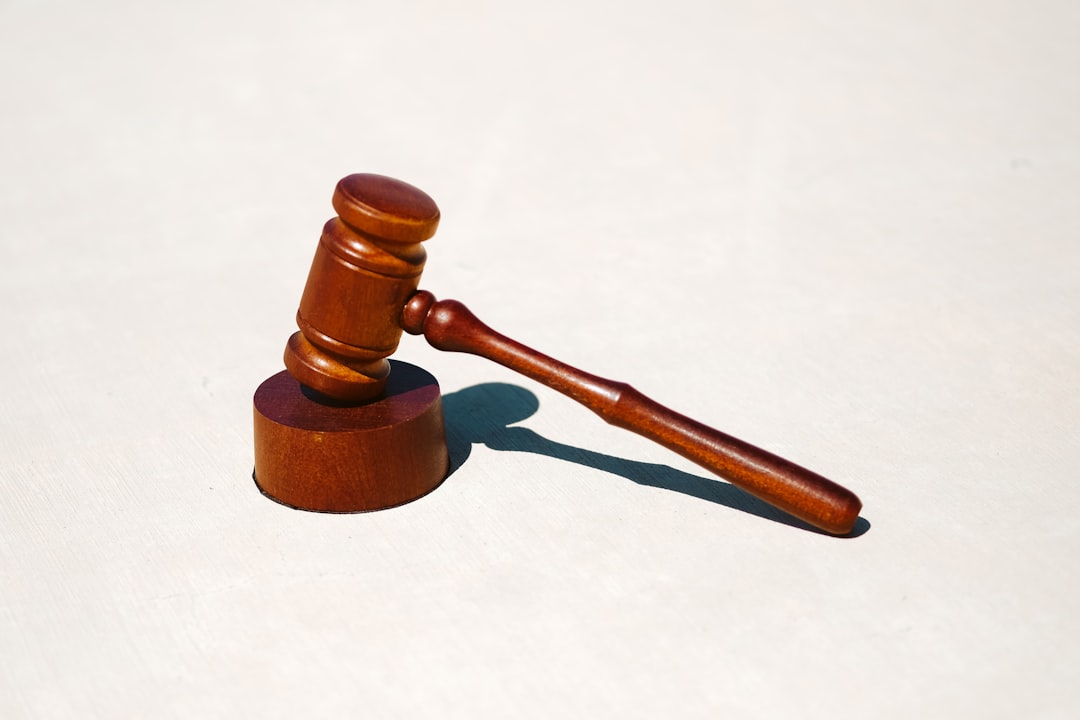
In Rhode Island, the fight against spam call law firms is a top priority to protect consumers from intrusive and unwanted communications. The state's approach to this issue lies in its strict interpretation of the Telephone Consumer Protection Act (TCPA), which sets robust guidelines for telemarketing practices. By implementing these regulations, Rhode Island aims to strike a balance between businesses' marketing efforts and individual privacy rights.
The TCPA specifically addresses automated telephone systems and prerecorded messages, empowering consumers with the ability to opt-out of such calls. This law has been instrumental in curtailing spam call law firms, as it requires companies to obtain prior express consent before making marketing calls. Rhode Island's Attorney General's Office actively enforces these rules, conducting regular audits and investigations to ensure compliance. For instance, in recent years, several law firms were fined for making robocalls without proper authorization, underscoring the state's commitment to consumer protection.
To mitigate spam call activity, businesses operating in Rhode Island should focus on obtaining explicit consent from customers. This involves providing clear opt-in mechanisms and allowing individuals to easily unsubscribe. By adopting these practices, law firms can ensure their marketing efforts align with the TCPA's guidelines, thereby fostering trust with clients and avoiding potential legal repercussions. Additionally, staying updated on regulatory changes and seeking expert advice on compliance strategies are essential steps for businesses aiming to navigate this landscape successfully.